
About Me
Dr. Devon Ciampa, DSW, LCSW-C
Education & Training
DSW, University of Pennsylvania
MSW, Columbia University
MA, Columbia University
MFA, Boston University BA, Union College
Licenses
LCSW-C - Maryland LICSW - Washington D.C.
Certifications
Breast Cancer Survivorship Navigator Learning Collaborative, University of Illinois
Palliative Care and End of Life Certification Program - Smith College
Awards
Hidden Gem Award, Association of Pediatric Oncology Social Workers
Compassionate Care Award, Sarcoma Foundation of America
Student of the Year Nominee, National Association of Social Workers
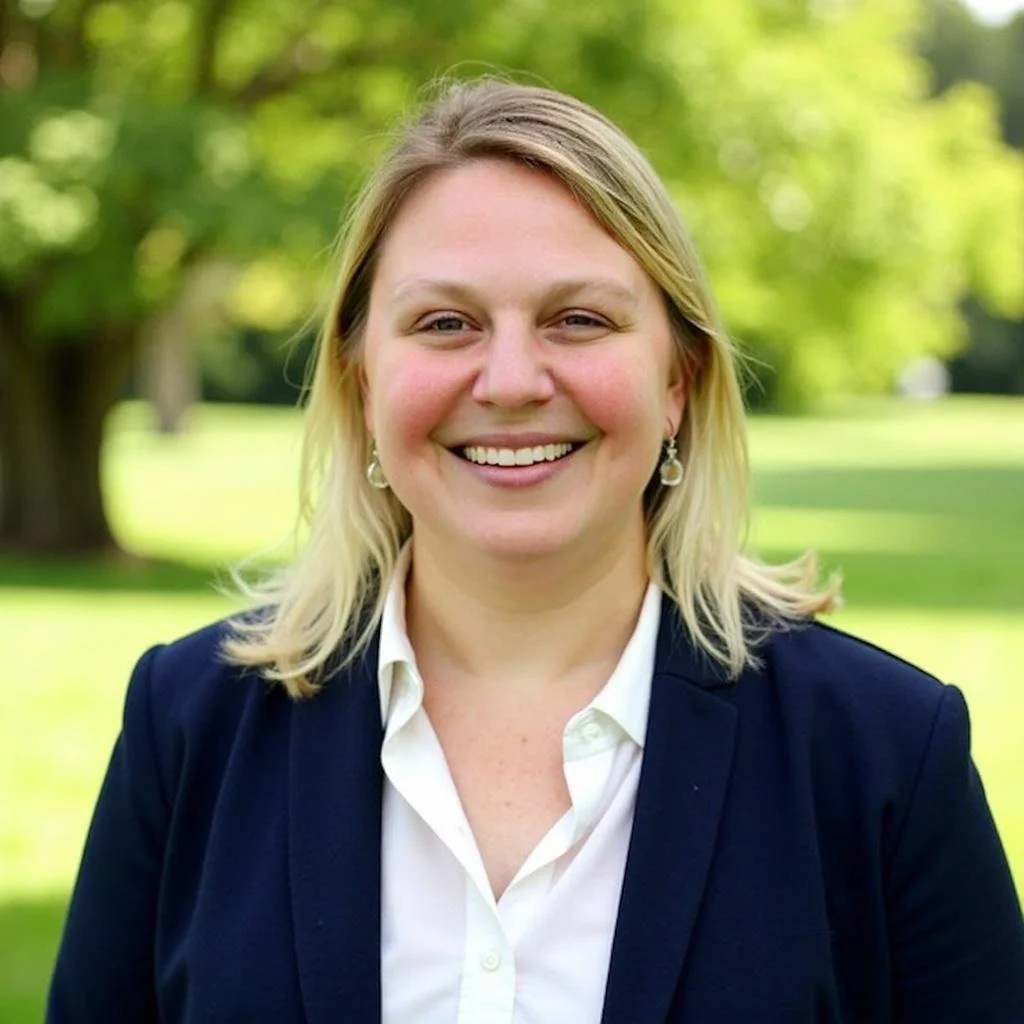
It’s nice to meet you!
I’ve dedicated my career to supporting adolescents and young adults as they navigate emotional, medical, and life transitions. Much of my work has centered on helping young people move through uncertainty — whether that uncertainty comes from illness, loss, identity development, or major life change.
Before opening my private practice, I worked in both community and medical settings, in the US and abroad. Overseas, I worked for years focused on educational development throughout Asia, while back in the US, I spent time supporting youth aging out of foster care, unaccompanied refugee minors adjusting to life in a new country, and young people and families navigating cancer treatment at large hospitals. I later served as the first Adolescent and Young Adult Specialist at the National Institutes of Health, where I helped build a comprehensive psychosocial program for patients ages 15 to 39. Across these roles, I saw firsthand how deeply young people benefit from having a steady, thoughtful space to process what they’re carrying.
My work has also included research and training focused on the unique needs of adolescents and young adults, particularly around grief, transitions, and difficult decision-making. I care deeply about ensuring that young people feel heard, not talked over, and that support is responsive to their developmental stage, culture, and lived experience.
All of these experiences shape how I show up in the therapy room. I listen closely for story, meaning, and the parts of life that can be hard to put into words. I bring a culturally responsive and systems-aware lens to our work together, recognizing how identity, family systems, and larger social structures influence mental health.
Above all, my goal in private practice is simple: to create a space where you feel understood, supported, and empowered as you navigate whatever is in front of you.